Open Targets brings together a team with expertise from academia and pharma, pulling together skills from a wide range of disciplines including bioinformatics, computer science, web development, human genetics, functional genomics and operations.
Executive Leadership Team
The Open Targets Executive Leadership Team provides strategic direction for the partnership, engages with potential new partners, and oversees the awarding of project grants.
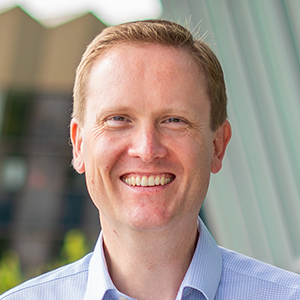
David Hulcoop
Executive Director

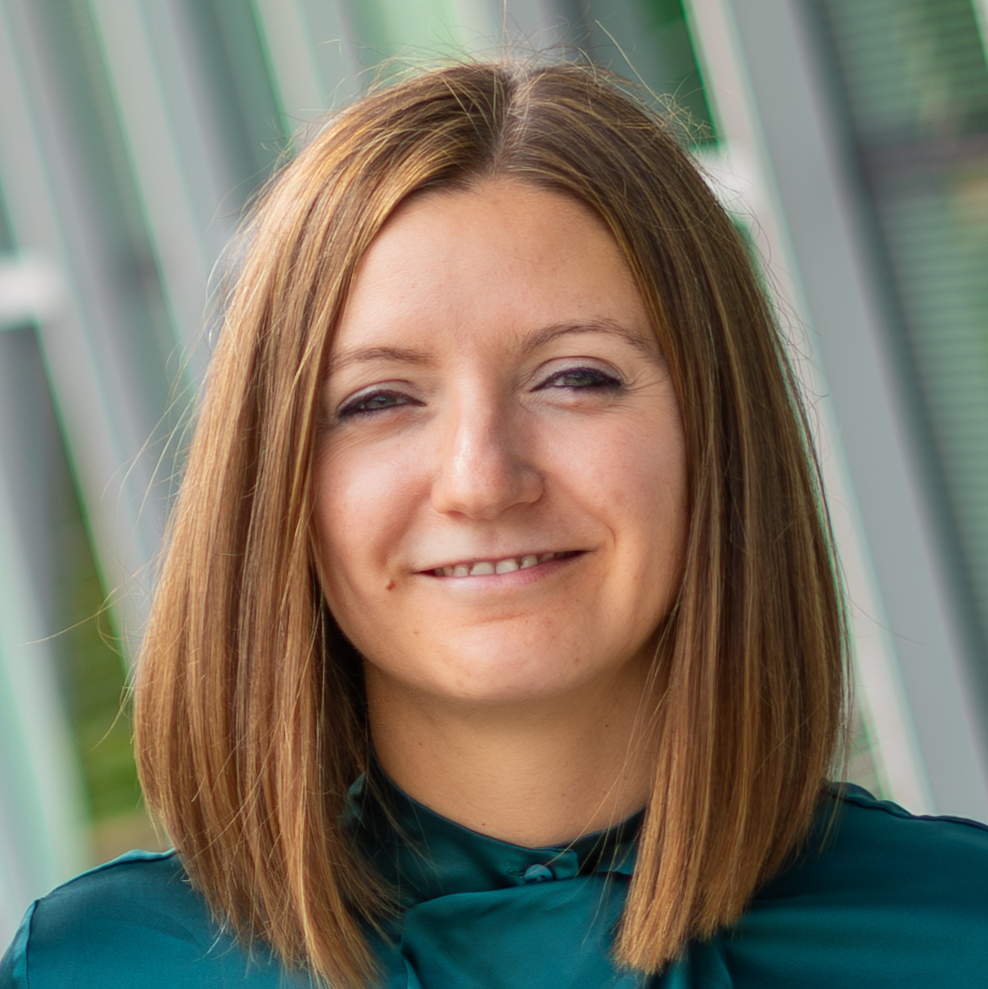
Gosia Trynka
Scientific Director

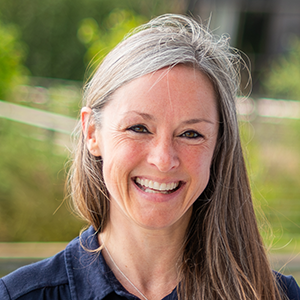
Ellen McDonagh
Translational Informatics Director
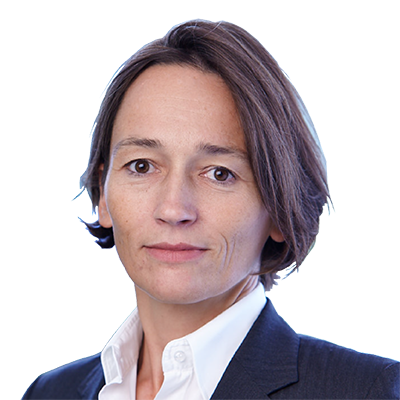
Birgit Kerber
Business Development Lead

Scientific Leadership Team
The Scientific Leadership Team contains representatives from each partner and is responsible for working with the Executive Team to set the scientific priorities for the consortium and recommend to the Governance Board new multi-disciplinary research projects that progress the science of target identification and prioritisation.
Governance Board
The Governance Board is composed of two senior representatives from each of the partners. The Governance Board provides strategic guidance to the consortium, and as Open Targets’ highest decision-making authority approves new research projects and major initiatives.
Scientific Advisory Board
The Scientific Advisory Board are an external group of respected scientists from academia and industry that review the Open Targets research programme and make recommendations to further the success of our partnership.
Informatics Team
The Informatics Team is responsible for developing and maintaining the Open Targets Platform and managing its delivery strategy. The team is composed of a diverse and experienced group of individuals with specialised skills in data science, bioinformatics, computer science, web development, statistical genetics, and stakeholder engagement.
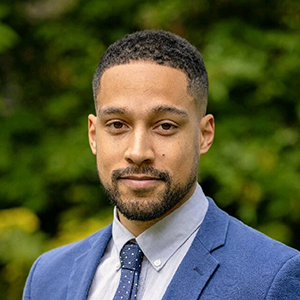
Tobi Alegbe
Single Cell Data Scientist
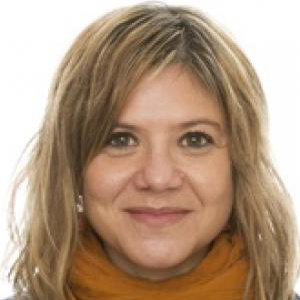
Annalisa Buniello
Senior Product Manager

Daniel Considine
Computational Biologist
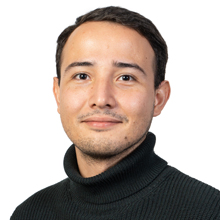
Carlos Cruz
Senior Web Developer and Front End Lead
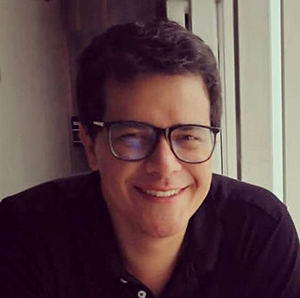
Ricardo Esteban Martinez Osorio
Full Stack Developer
Javier Ferrer
Backend Lead

Xiangyu (Jack) Ge
Statistical Geneticist
James Hayhurst
Software Developer
Vivien Ho
Bioinformatician
Irene Lopez
Bioinformatician

Graham McNeill
Web Developer

David Ochoa
Platform and Informatics Science Coordinator

David Oluwasusi
Web developer

Daniel Suveges
Data team Lead
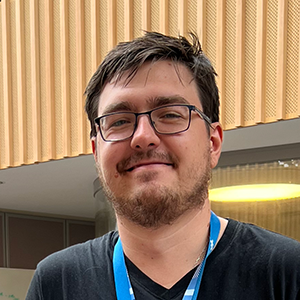
Szymon Szyszkowski
Senior Computational Biologist
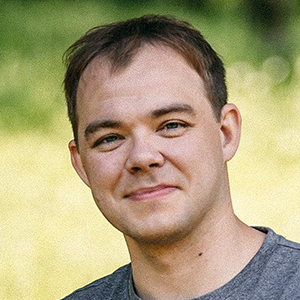
Yakov Tsepilov
Genetic Analysis Team Lead
Strategy and Operations Team
The Strategy and Operations Team manages our project portfolio, oversees scientific operations and communications, and works with the Executive Leadership Team to develop and implement overall strategy. Our Senior Administrator also provides day-to-day support for senior management.

Megan Bennett
Executive Administrator
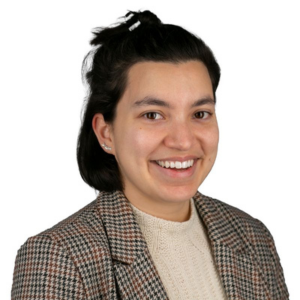
Helena Cornu
Communications Lead
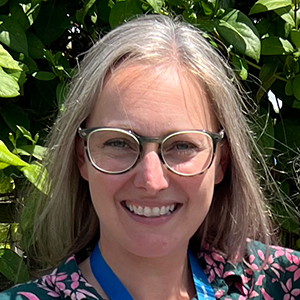
Jessica East
Senior Research Manager

Aadam Khan
Data Manager (maternity cover)
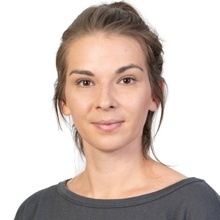
Paris Litterick
Senior Administrator
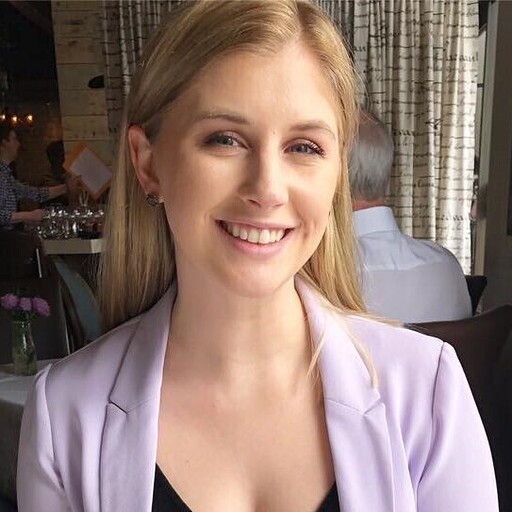
Sarah Young Hendrickson
Data and Operations Manager
Project Teams
Through our research programme, we have funded more than 90 research positions within the institutes that we work with and formed teams that engaged many more scientists across industry and academia to improve target identification and prioritisation.